Korean Radish - About Mu
Article by Gil "hannaone"
© Copyright 2024. All rights reserved.
Image by hannaone
Introduction to Korean Radish
Korean radish, also known as mu or daikon, is a cruciferous vegetable that holds a significant place in Korean cuisine. It is a versatile ingredient that adds a distinct flavor and texture to a wide range of dishes. With its mild and slightly sweet flavor, Korean radish is often used in soups, stews, kimchi, and salads. Its crispy texture makes it a popular choice for pickling and fermenting as well. Whether you're a fan of Korean cuisine or looking to explore new ingredients, Korean radish is a must-try for food enthusiasts and home cooks alike.
Origin and History of Korean Radish
Thought to have originated in the Mediterranean, mu made its way to East Asia and became a fundamental ingredient in Korean cooking. The mild climate and fertile soil of the Korean peninsula have contributed to the cultivation of high-quality Korean radishes. Its cultural significance is evident in various traditional dishes and festivals, where Korean radish plays a central role in the culinary heritage of Korea.
Korean radishes have a rich heritage dating back thousands of years. They are native to Korea and have been cultivated there for centuries.
The cultivation of radishes in Korea began during the Three Kingdoms era, and by the Goryeo era, radishes were considered one of the most important crops. These radishes were cherished for their versatility, flavor, and nutritional value.
Nutritional Benefits of Korean Radish
Korean radish is not only prized for its culinary uses but also for its impressive nutritional profile. It is low in calories and packed with essential nutrients, including vitamin C, fiber, potassium, and antioxidants. The vegetable's high water content makes it hydrating and beneficial for digestion.
Additionally, Korean radish contains compounds that may offer anti-inflammatory and immune-boosting properties. Whether enjoyed raw in salads or cooked in savory dishes, incorporating Korean radish into your diet can provide a healthy dose of vitamins and minerals.
Culinary Uses of Korean Radish in Korean Cuisine
Korean radish, a staple in Korean cooking, is a versatile ingredient cherished for its crisp texture and sweet-peppery flavor.
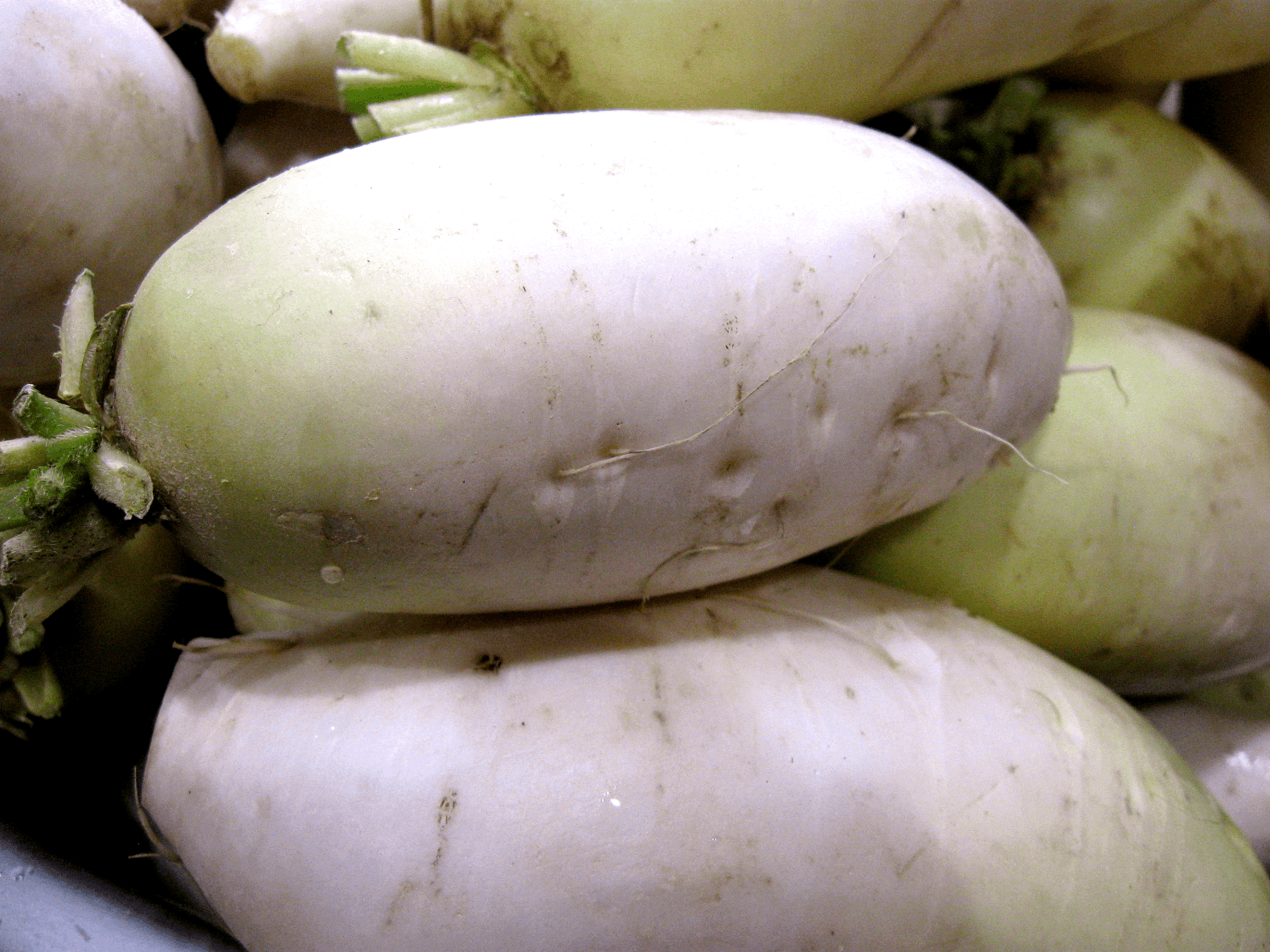
Korean radishes are generally short, stout, and sturdy. They have a pale green shade halfway down from the top. The firm, crunchy texture of Korean radishes makes them ideal for various culinary uses.
They have a strong flavor, dense flesh, and soft leaves. Even the greens of Korean radishes, called “mucheong,” are used as a vegetable in cooking.
Every part Is utilized in Korean cooking. The main part of the radish is used in soups, stews, and as a base broth for various dishes. Dried radish greens (mucheong) is used to make “siraegi” or can be used fresh in cooking. Radish sprouts grown from radish seeds are enjoyed fresh.
Dried radish (Mu-mallaengi) is prepared by julienning radishes and sun-drying them.
Pickled Radish (Ssammu) is thinly sliced radish pickled in vinegar, salt, and sugar. It’s commonly used for wrapping samgyeopsal or galbi.
Korean radishes are often used to create a flavorful base for various dishes.
Korean radish is an essential component in 'Kkakdugi,' a type of kimchi, where it is cubed and fermented. Beyond kimchi, it's often used to create refreshing 'mu saengchae,' a type of salad, and 'mu namul,' a seasoned side dish.
Growing Korean Radish - Tips and Techniques
Korean Radish Crops: Cultivating Mu is similar to growing traditional radish varieties except that they generally require more space and time to mature. For radishes to thrive, they need full sun to partial shade and need regular watering. Using drip irrigation and spreading a thin layer mulch can help ensure even watering while conserving water. Radishes also thrive in temperatures below 80 degrees (27 C).
Planting Korean Radishes: In spring, these radishes can be planted as soon as the soil can be worked. To have radishes crops available throughout the growing season plant a new wave every 10 to 14 days. Mu thrives in areas where warm season crops such as peppers, tomatoes, or squash will be grown.
Place the seeds about ¾ inch (2 cm) deep and roughly 6 inches (15 cm) apart. To allow for maximum growth, leave 3 feet (91 cm) between rows. The plants will reach maturity in two to two and a half months. Now that you have gained more knowledge about growing daikon radish plants in your garden, why not give them a try and savor their delicious harvest?
How to Select and Store Korean Radish
Selecting the best Korean radish involves looking for firm, heavy roots with smooth, unblemished skin. Size matters; opt for medium-sized radishes, as they tend to be more tender and flavorful. Avoid those with cracks or soft spots, which may indicate deterioration.
After purchase, proper storage is crucial for maintaining freshness. Wrap the radish in a damp paper towel and place it in a plastic bag in the crisper drawer of your refrigerator.
Through proper selection and storage techniques you can extend the shelf-life of Korean radish, ensuring that it remains a fresh and nutritious addition to your Korean culinary adventures.
Delicious Korean Radish Recipes
Whether you call it mu, moo, or Korean radish, this versatile vegetable is a staple in Korean cuisine, revered for its crisp texture and mild, sweet flavor. Here are a few mouthwatering recipes that showcase the delightful Korean radish:
- Kkakdugi (Cubed Radish Kimchi) Experience the perfect blend of spicy, sweet, and tangy flavors with this traditional Korean kimchi. The crunchy radish cubes are marinated in a mix of garlic, ginger, and Korean chili flakes, creating a delightful side dish that complements any meal.
- Mu Guk (Korean Radish Soup) This comforting and nourishing soup features Korean radish slices, beef, and Korean seaweed in a clear and savory broth. It's a popular choice for warming up during the cold winter months or as a light, rejuvenating meal any time of the year.
- Mu-mallaengi Muchim (Korean Radish Salad) This refreshing and zesty radish salad is tossed in a tangy vinaigrette, creating a delightful side dish that offers a satisfying crunch and a burst of flavors.
Conclusion and Recommendation for Using Korean Radish
Incorporating Korean radish into your culinary endeavors introduces a world of exciting flavors and textures. This versatile ingredient can be pickled, stir-fried, braised, or simmered, adding depth and dimension to your dishes. Whether you're a seasoned chef or an enthusiastic home cook, Korean radish is a must-try addition to your pantry. Explore more about Korean radish and find delicious recipes at hanna-one.com.