Article by Gil "hannaone"
© Copyright 2024. All rights reserved.
Images created by AI
Yagwanggwi, Korea's Fearsome Demonic Cat Spirit
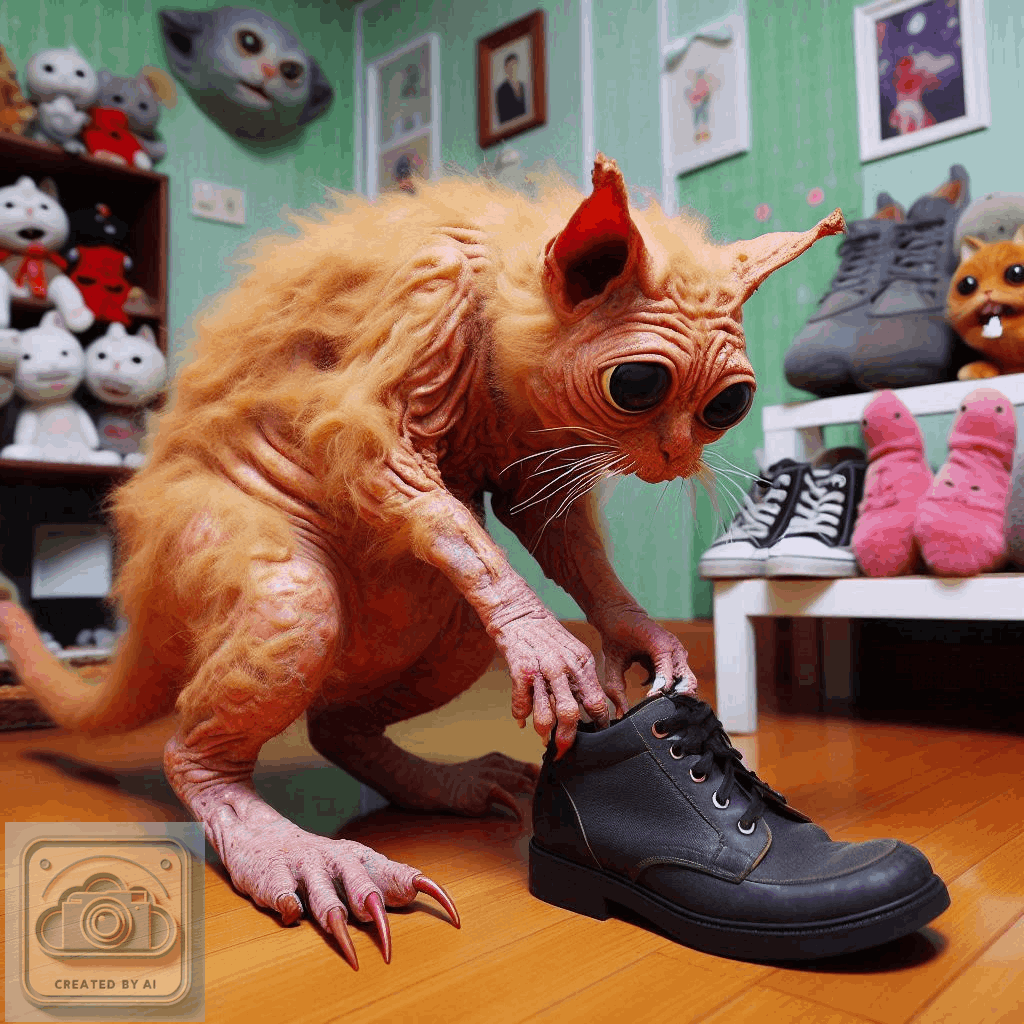
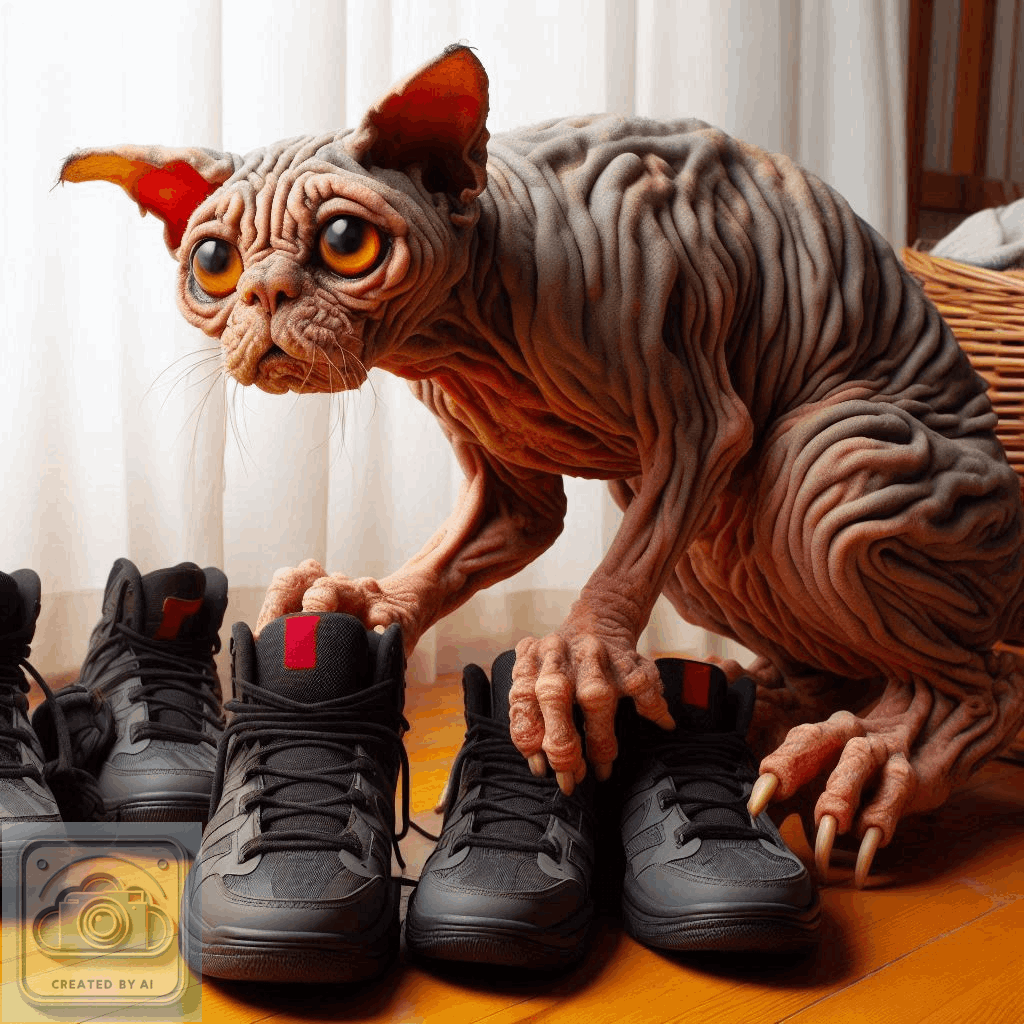
A prominent figure in Korean folklore, the yagwanggwi is a fearsome and malevolent spirit that takes on the appearance of an enormous cat. Legend has it that on the first night of each year, this demonic entity emerges from the netherworld to roam the streets in search of unguarded shoes left on porches.
Known for its ferocity and cunning tactics, the yagwanggwi strikes fear into the hearts of many with its insatiable thirst for chaos and destruction. This monstrous creature is deeply ingrained in Korean culture and continues to captivate imaginations to this day.
Curses and Misfortune
Demonic Yagwanggwi appeared as cats and were believed to curse the people who owned unguarded shoes with great misfortune or even death if they placed their fetid paw inside them.
Legend has it that these cats were once ordinary domestic cats who had been possessed by evil spirits. They would prowl the streets at night, looking for unattended shoes to curse.
If a person left their shoes outside or in an unprotected area, the yagwanggwi would sneak up and place its paw inside the shoe. This was believed to transfer the demon's curse onto the unsuspecting owner of the shoe.
The cursed person would then experience a series of misfortunes, such as financial loss, illness, or even death. It was said that if a person found their shoes with muddy paw prints inside, it was a sign that they had narrowly escaped the curse of the yagwanggwi.
To protect themselves from these malevolent felines, people would often place charms or garlic near their shoes or hang them from doorways. Some also believed that wearing a talisman or carrying salt could ward off the curse.
In some regions of Korea, it is still considered bad luck to leave your shoes unguarded. The belief in yagwanggwi may have faded over time, but many still take precautions to avoid any potential curses from these demonic cats.
Appearance
The appearance of these creatures remains shrouded in mystery, as they are solely featured in myths and legends.
There was a belief that these demonic felines possessed such a malevolent aura that if they leapt over a dead body, the body would be unable to remain at peace while in their presence.
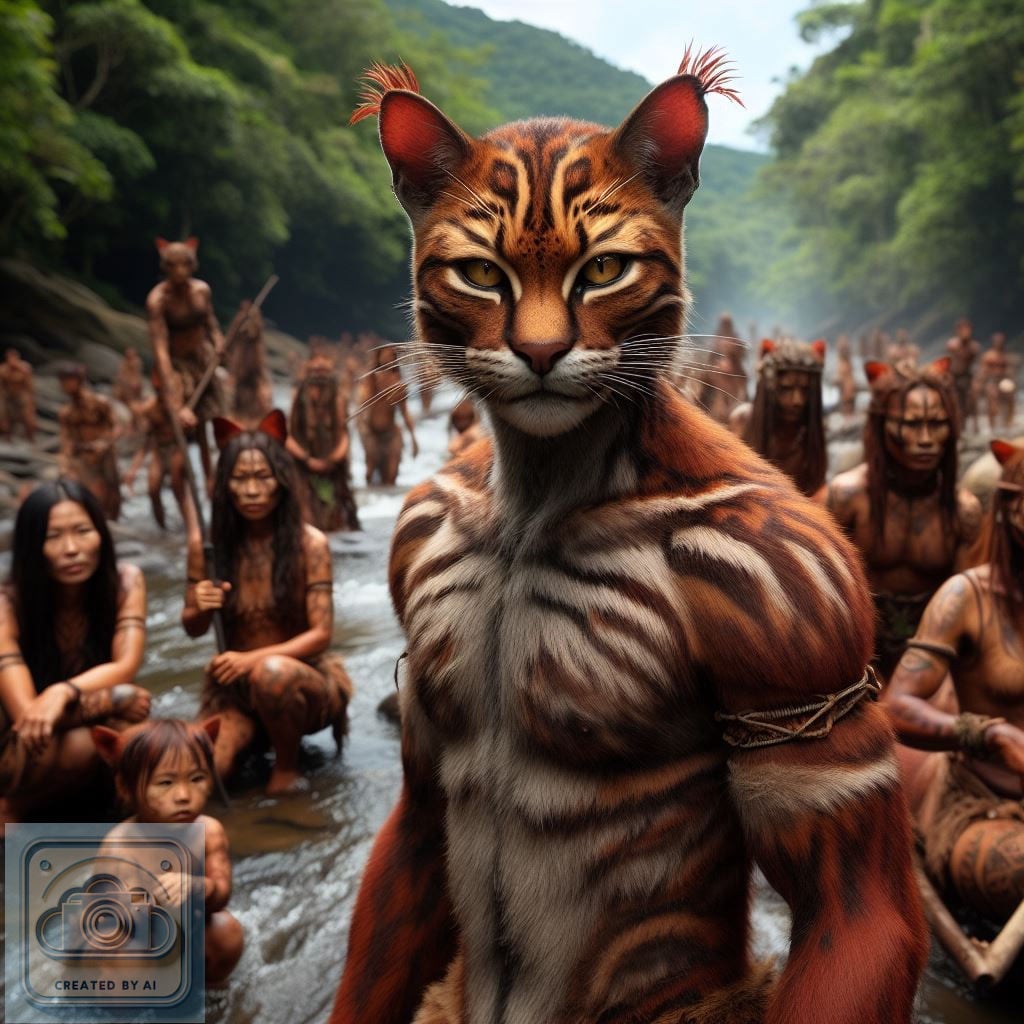
One depiction describes Yagwanggwi as immense, devilish beings with a feline resemblance, devoid of fur and sporting piercing yellow eyes.
Some legends also depict Yagwanggwi as shape-shifters, able to transform into animals such as tigers or bears. In this form, they are said to possess incredible strength and agility.
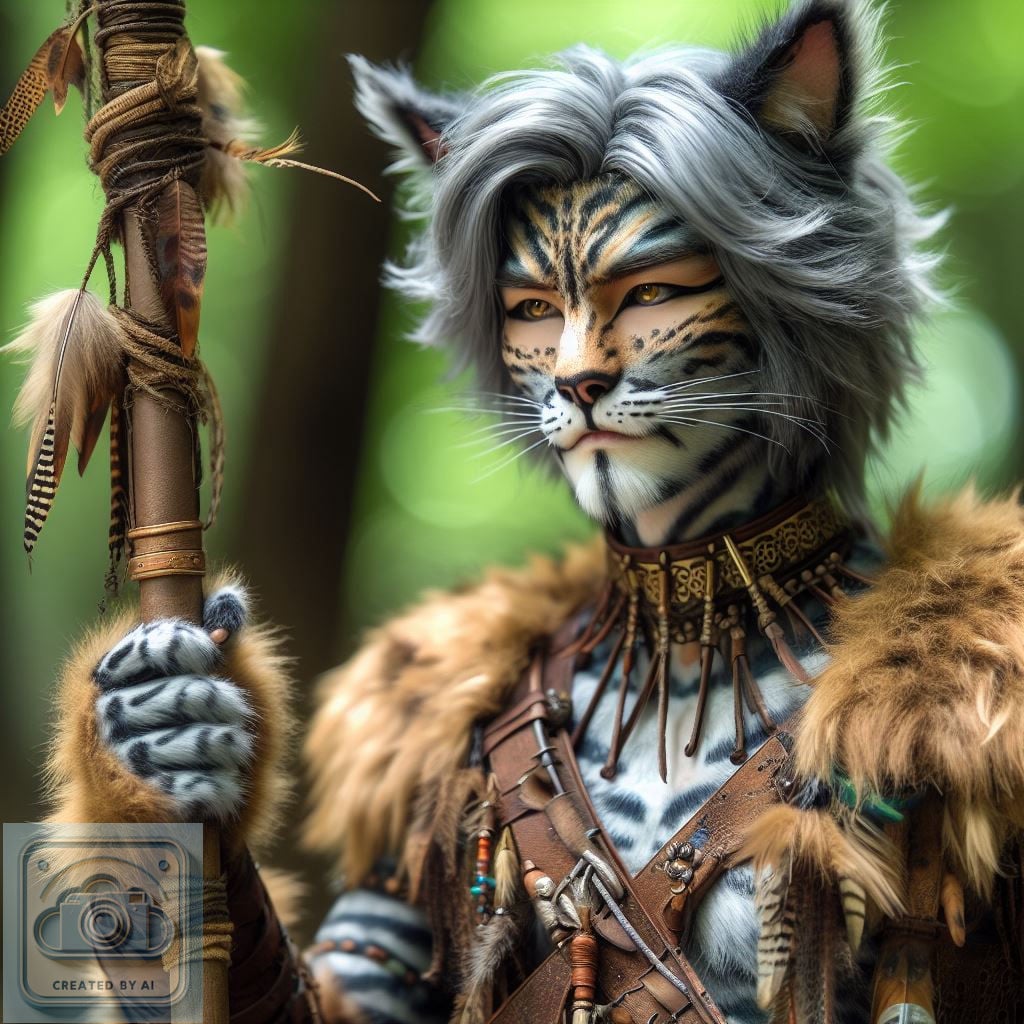
Overall, the appearance of Yagwanggwi varies depending on the region and culture in which they are depicted. However, they are often portrayed as fearsome and powerful creatures with a menacing presence.
Origin
The fear of cats in ancient Korea is the probable origin of the Yagwanggwi myth. Ancient Koreans were known to be superstitious and believed that cats could cause bad luck or even death if they were harmed or killed. Therefore, cats were often feared and avoided by the general population.
The legend of the Yagwanggwi likely came about as a way to warn people against harming cats. It also served as a cautionary tale about the consequences of mistreating animals, as it was believed that the spirit of a cat could return to seek revenge on those who had wronged it.
The Yagwanggwi myth may have also been influenced by similar legends from other cultures, such as the Japanese Bakeneko or the Chinese Nekomata. These myths also revolve around cats with supernatural powers seeking vengeance for mistreatment.
Over time, the Yagwanggwi myth evolved and became more prominent in Korean folklore, with variations appearing in different regions of the country. Today, it continues to be a popular tale told to children and serves as a reminder to treat animals with kindness and respect.
Cat Spirits on hanna-one.com
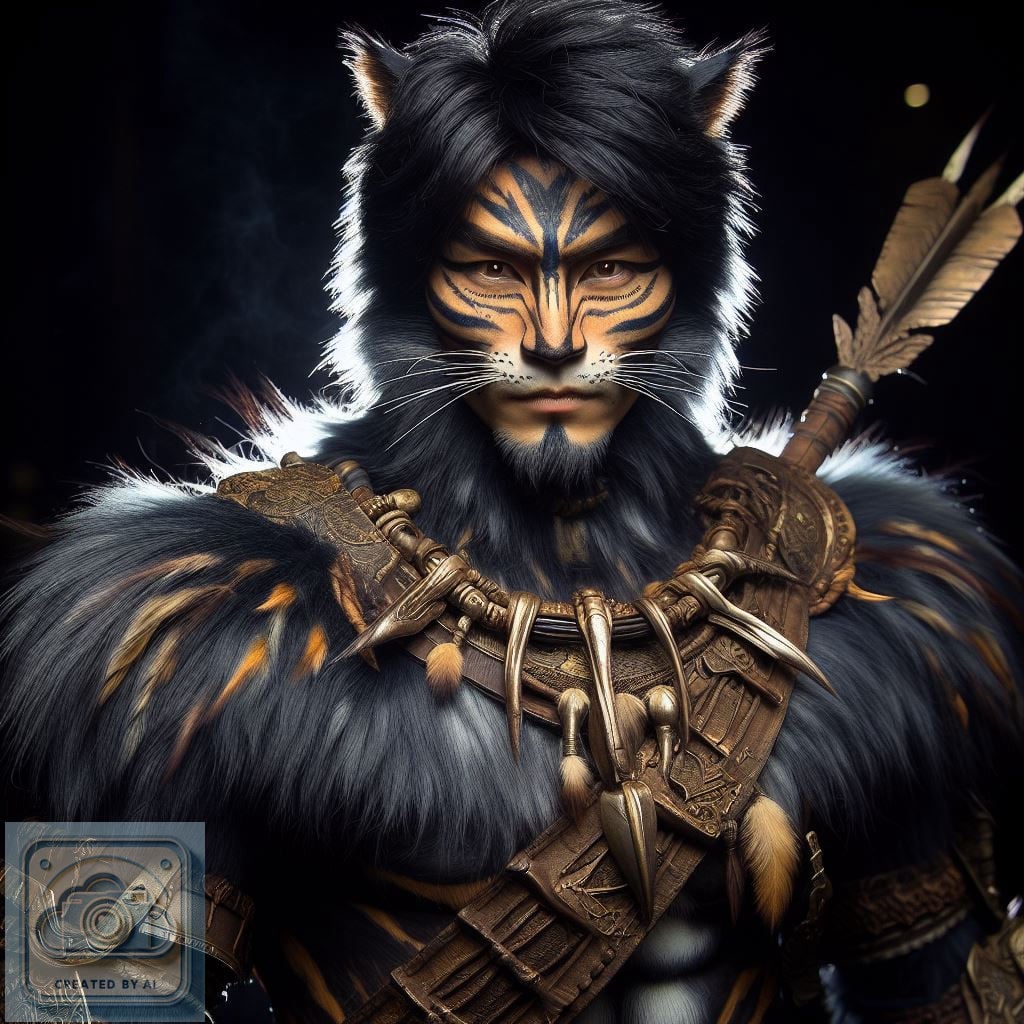
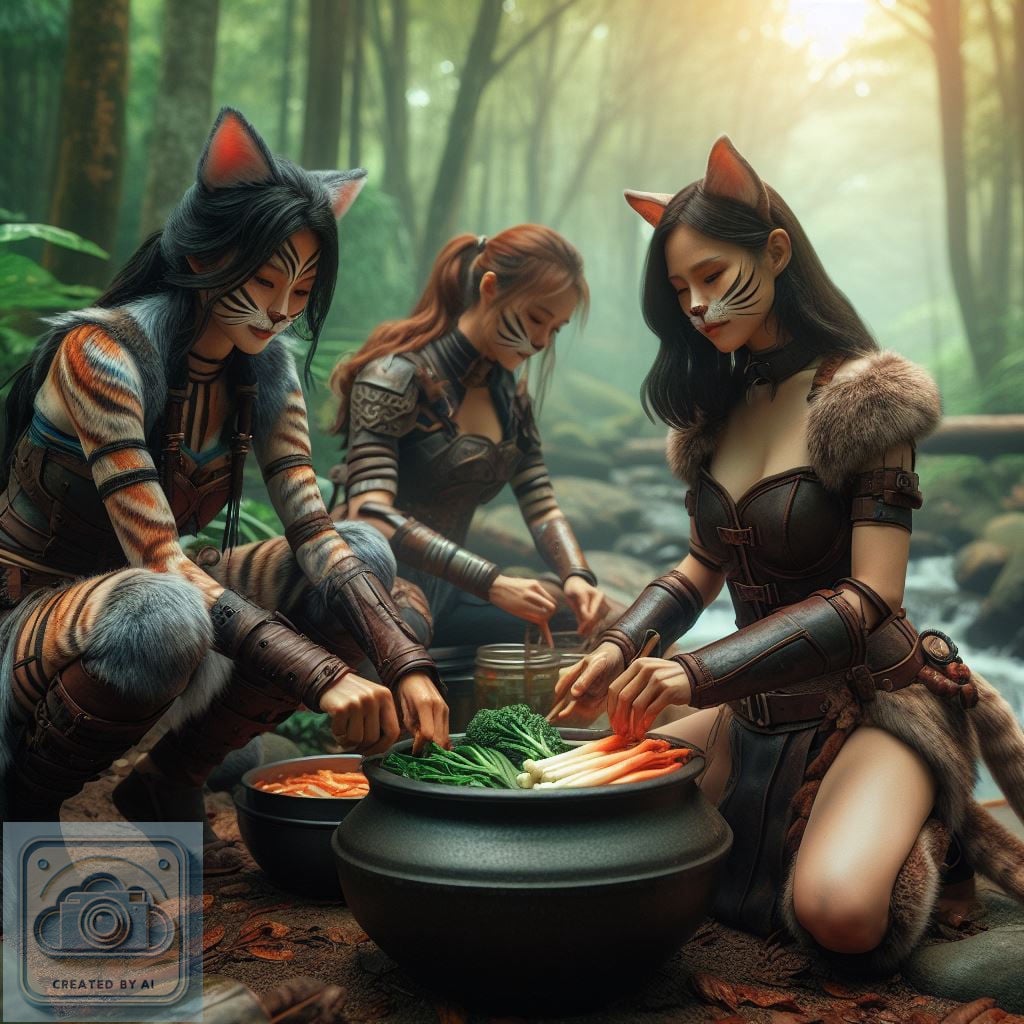
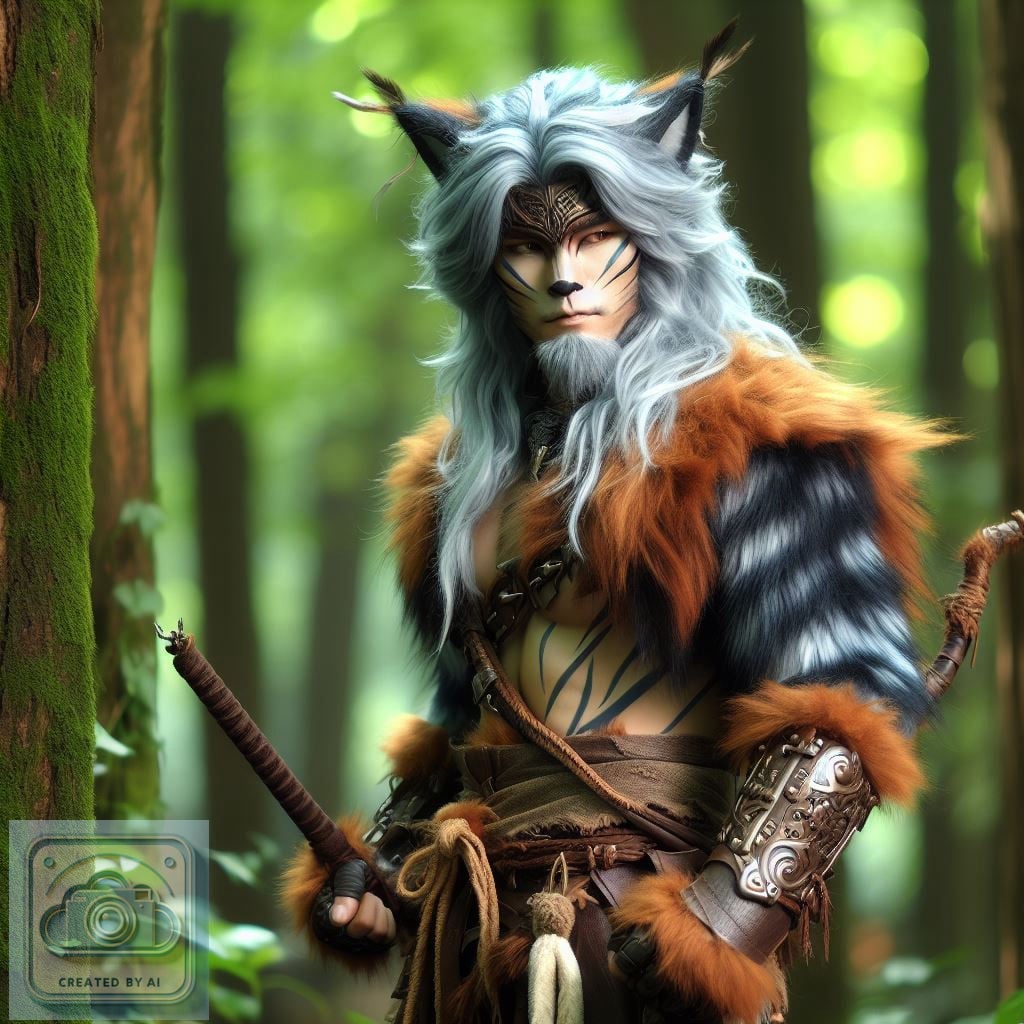
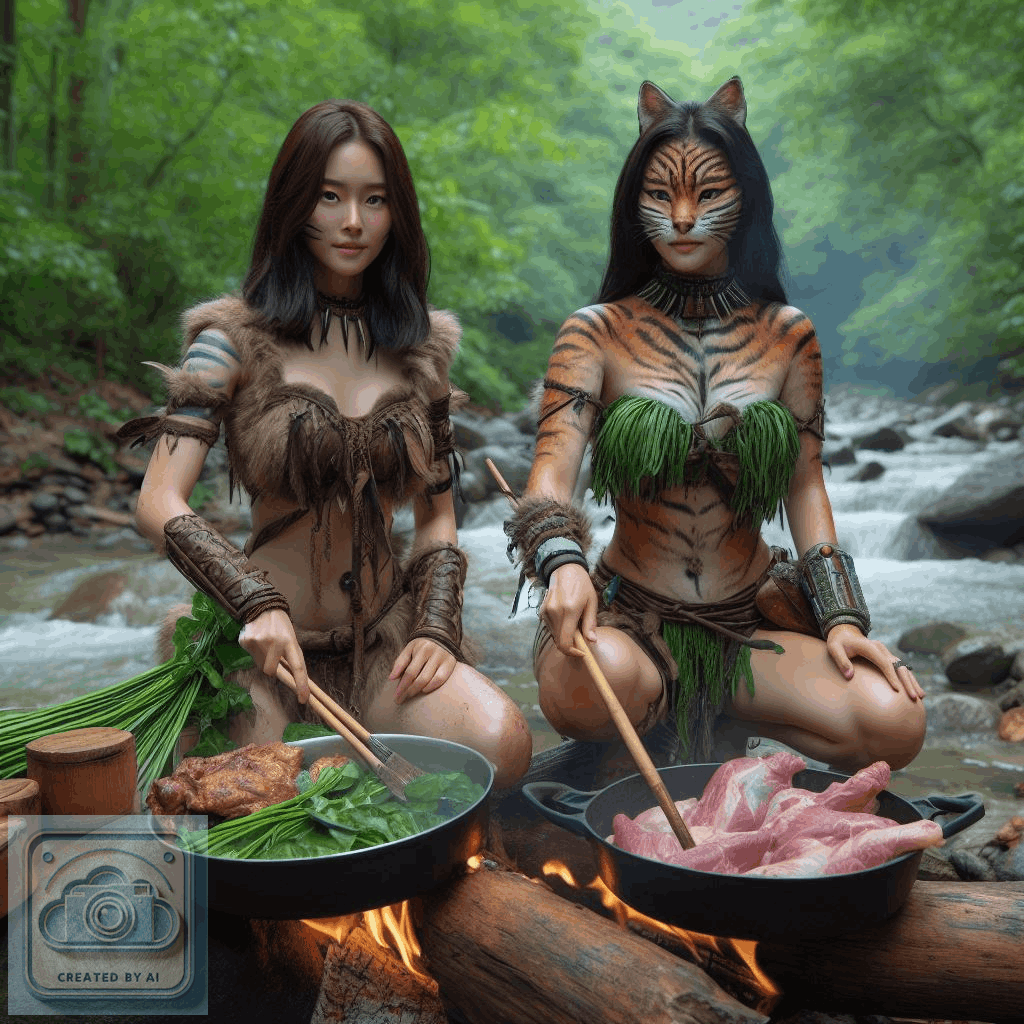
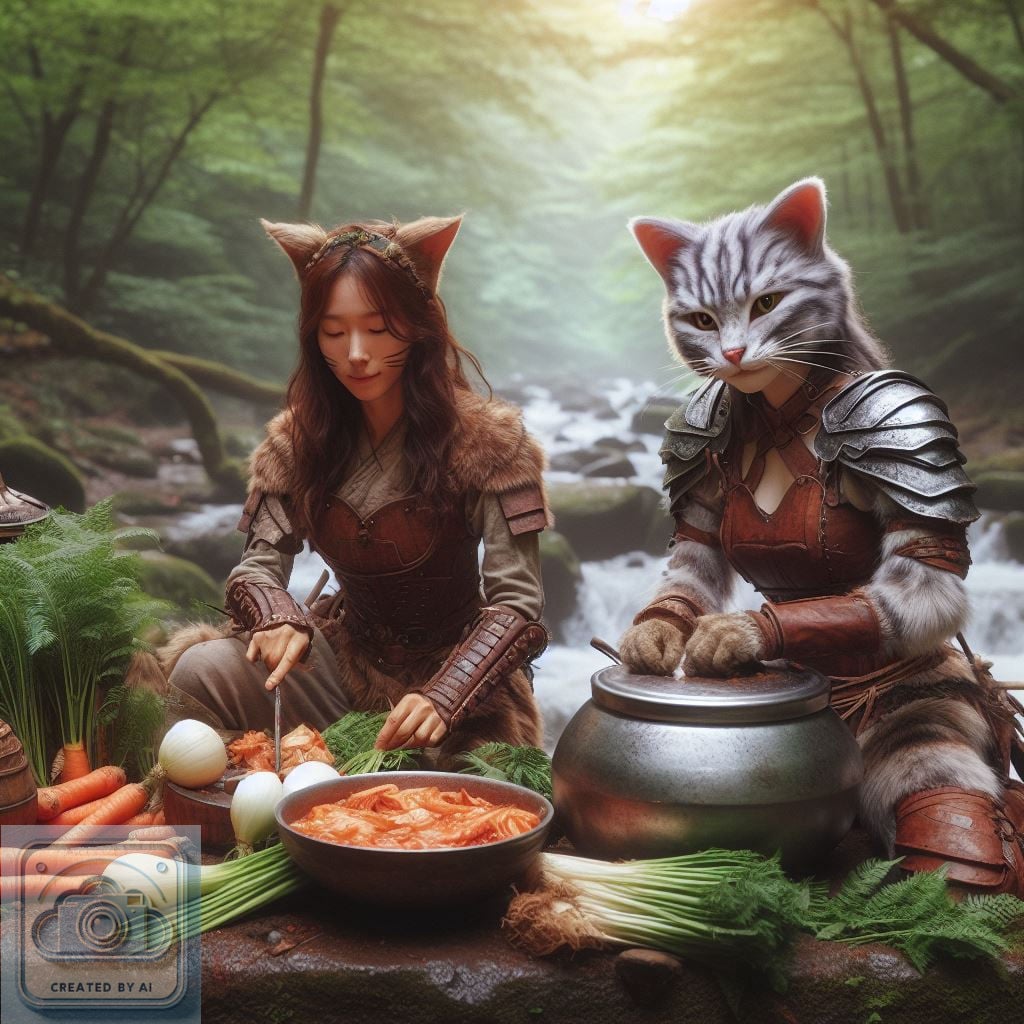
The feline entities in this area have a greater tendency to indulge rather than condemn. They are alluring, mannered inhabitants of the woods, who genuinely relish a satisfying feast.