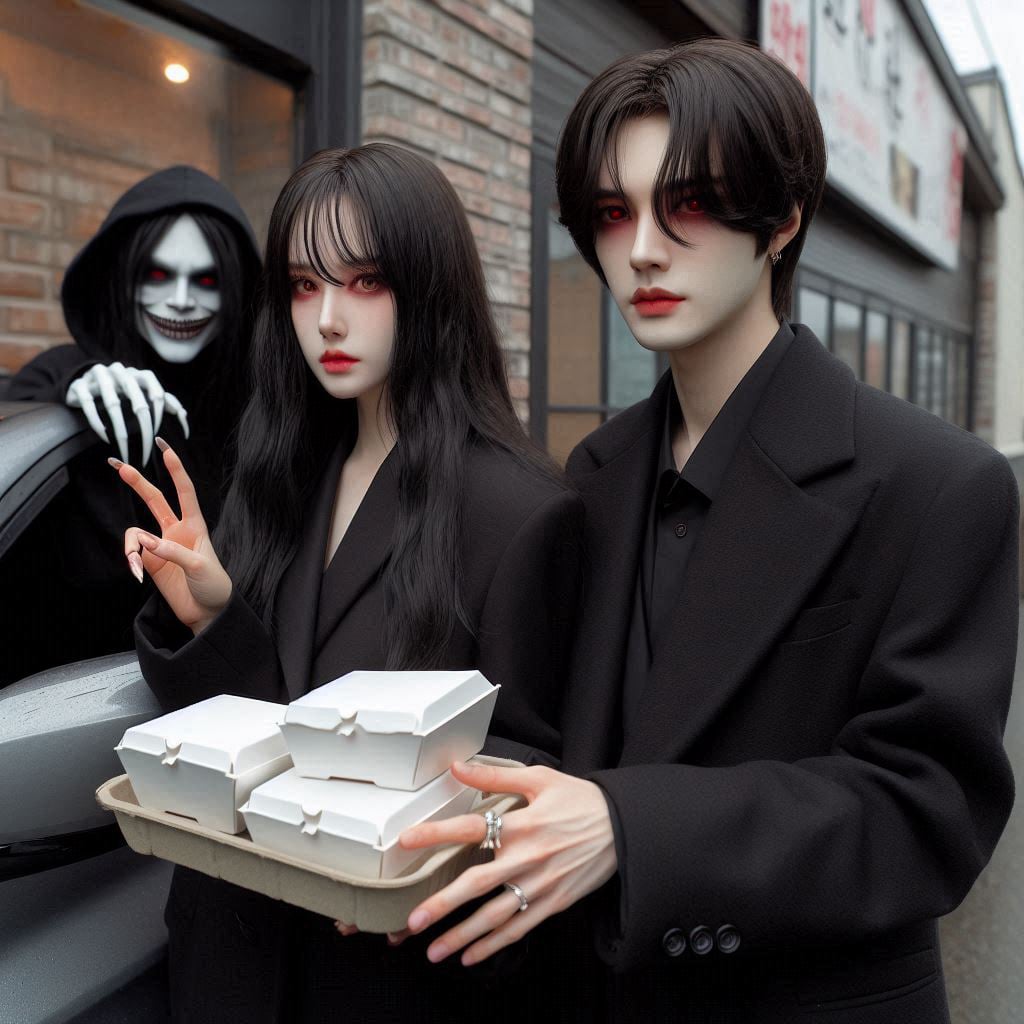
Jeoseung-saja, Grim Reapers Korean Style
Have you ever wondered what it would be like to have a Grim Reaper as your guardian angel? In Korean folklore, the Jeoseung-saja are just that - mysterious and enigmatic beings tasked with guiding souls to the afterlife. Join us as we delve into the world of Jeoseung-saja, uncovering their origins, powers, and role in Korean culture. Get ready for a spine-tingling journey into the supernatural realm of Grim Reapers Korean style!
Jeoseung-saja, Guides to the Afterlife
Jeoseung-saja, also known as the "Guides to the Afterlife," are a unique and intriguing aspect of Korean culture. In traditional Korean mythology, it is believed that when a person dies, their spirit is guided by Jeoseung-saja to the afterlife. These guides are seen as benevolent beings who assist and protect the souls on their journey.
The word "jeoseung" in Korean translates to "crossroads," while "saja" means "reapers." This term perfectly encapsulates the role of these otherworldly beings – the Jeoseung-saja act as guides at crucial crossroads in a person's journey towards the afterlife. They are often depicted as tall, dark figures cloaked in black robes with skeletal features, carrying a sickle or scythe in their hands.
In Korean folklore, there are tiers of Jeoseung-saja:
Hoesang-saja: As the lowest tier of Jeoseung-saja, their main task is to reap the souls of those who have recently passed away.
The Jukryeong-saja are the top-level reapers responsible for stopping any world-ending threats that disrupt the balance of nature.
Jeoseung-saja Are Not Immortals
One interesting aspect of Jeoseung-saja is that they are not immortal beings.
While they possess supernatural powers and are often depicted as powerful and long-lived, they are not truly immortal like gods or other mythical beings.
Instead, Jeoseung-saja are believed to age and eventually die like humans. In some myths, they may even be killed in battle or come to a natural end of their life span.
This mortality adds a sense of vulnerability and humanity to these divine beings, making them more relatable and human-like despite their extraordinary abilities.
It also highlights the importance of their role as intermediaries between humans and higher powers, as they too must face the inevitability of death.
It is said that only those who have lived a just life can be granted this role in the afterlife.
Appearance
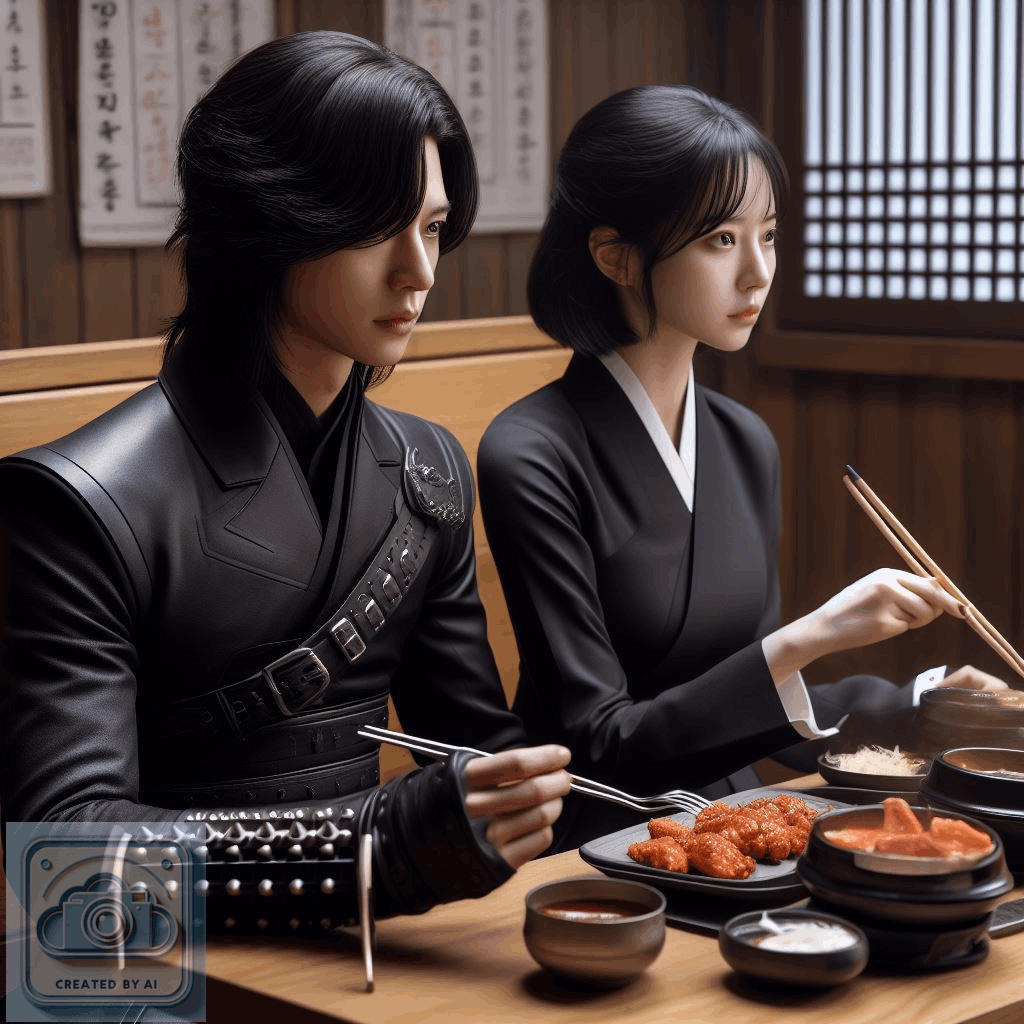
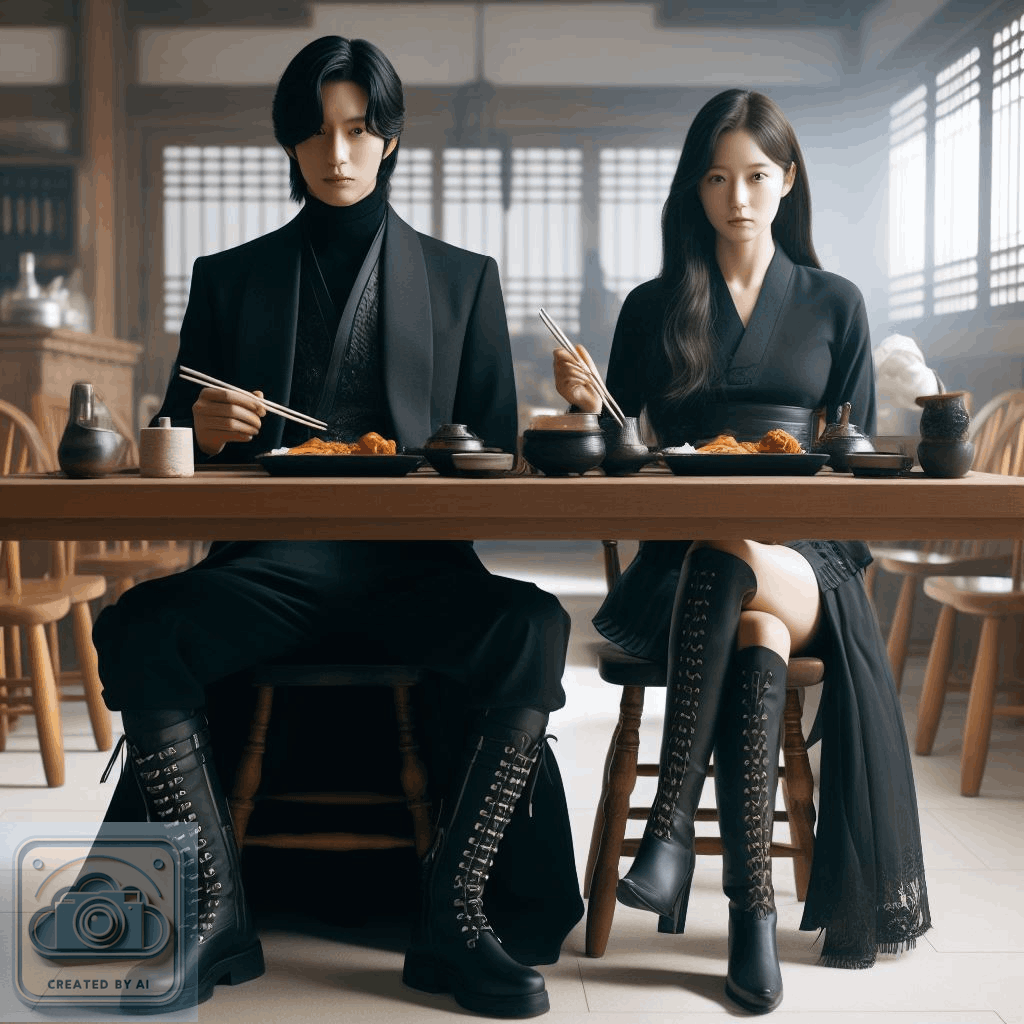
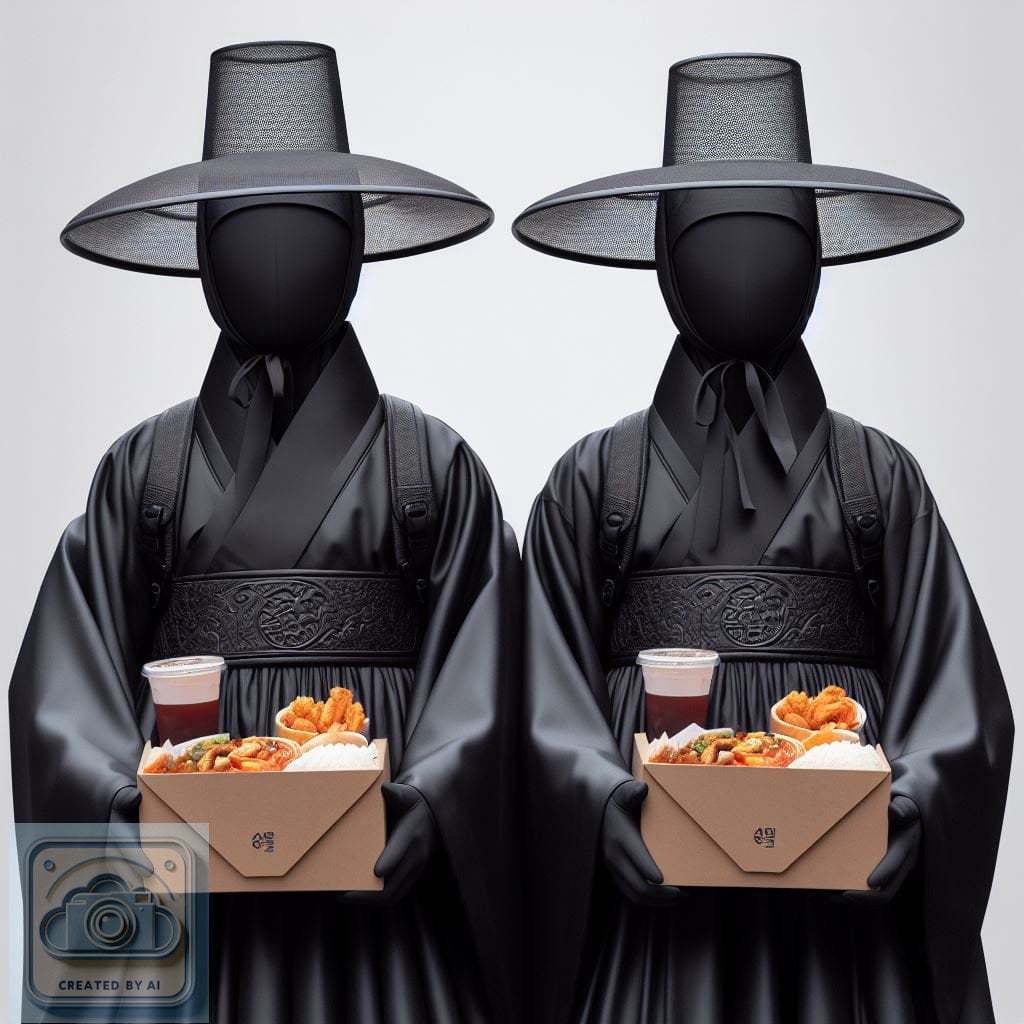
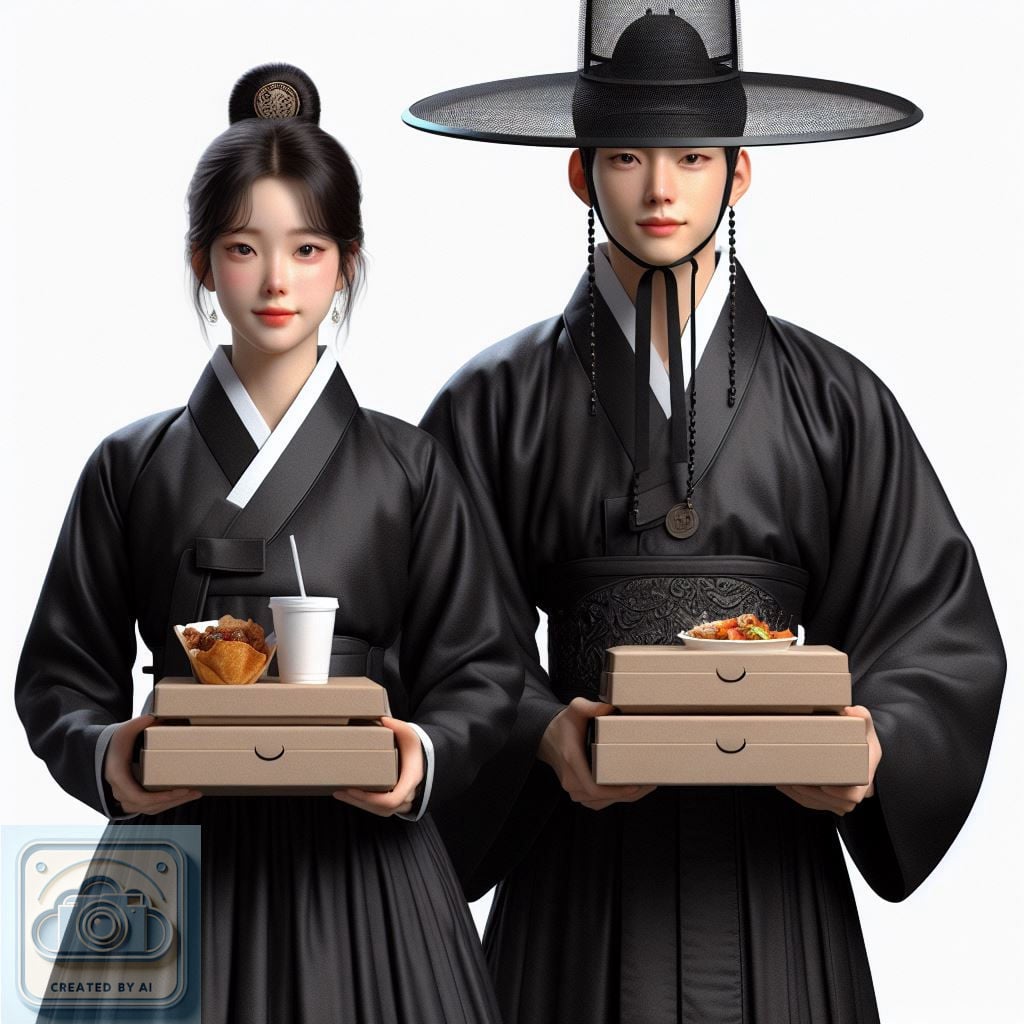
Traditionaly, Jeoseung-saja appear as human dressed in black hanbok and wearing a Korean Gat. In traditional costumes, they are usually depicted as male figures with pale skin and sunken eyes, but may also be female or have no discernible gender. They are sometimes depicted holding a lantern that they use to guide the dead on their journey to the underworld.
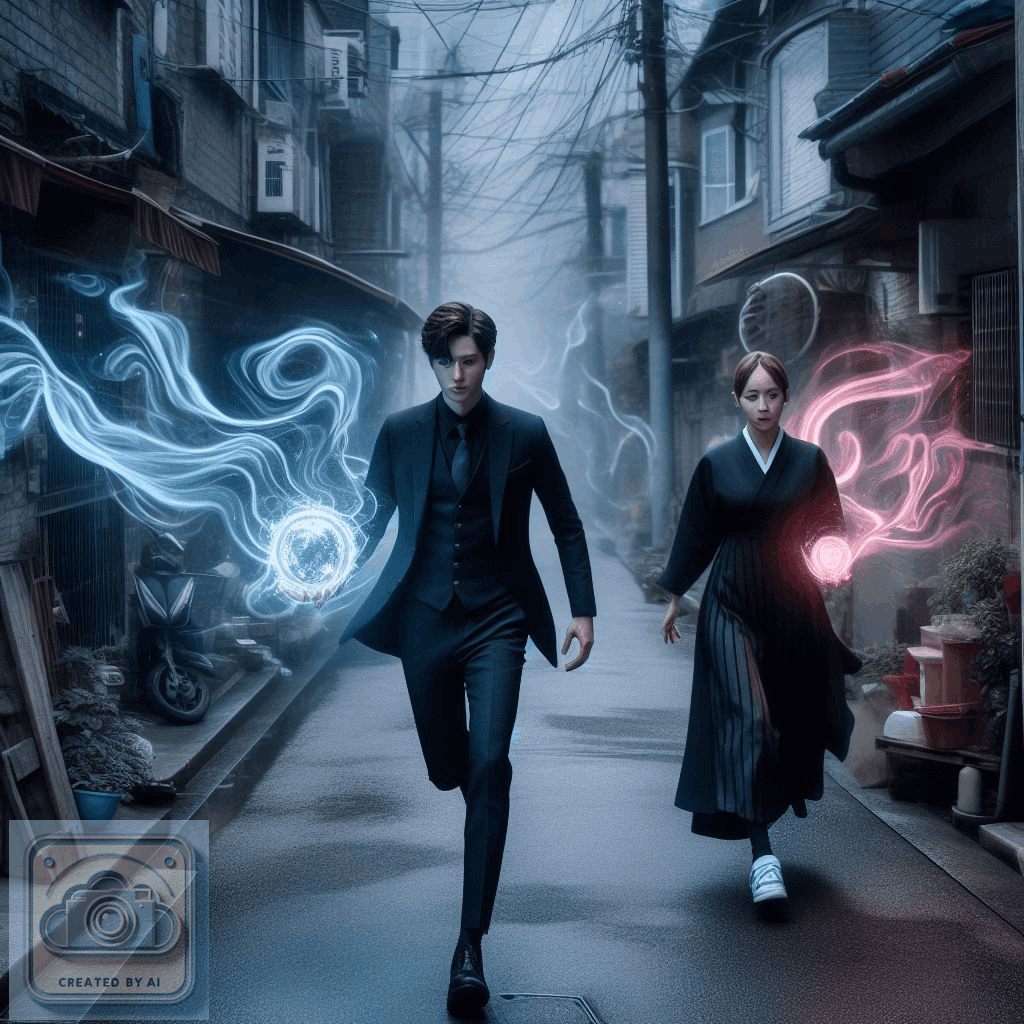
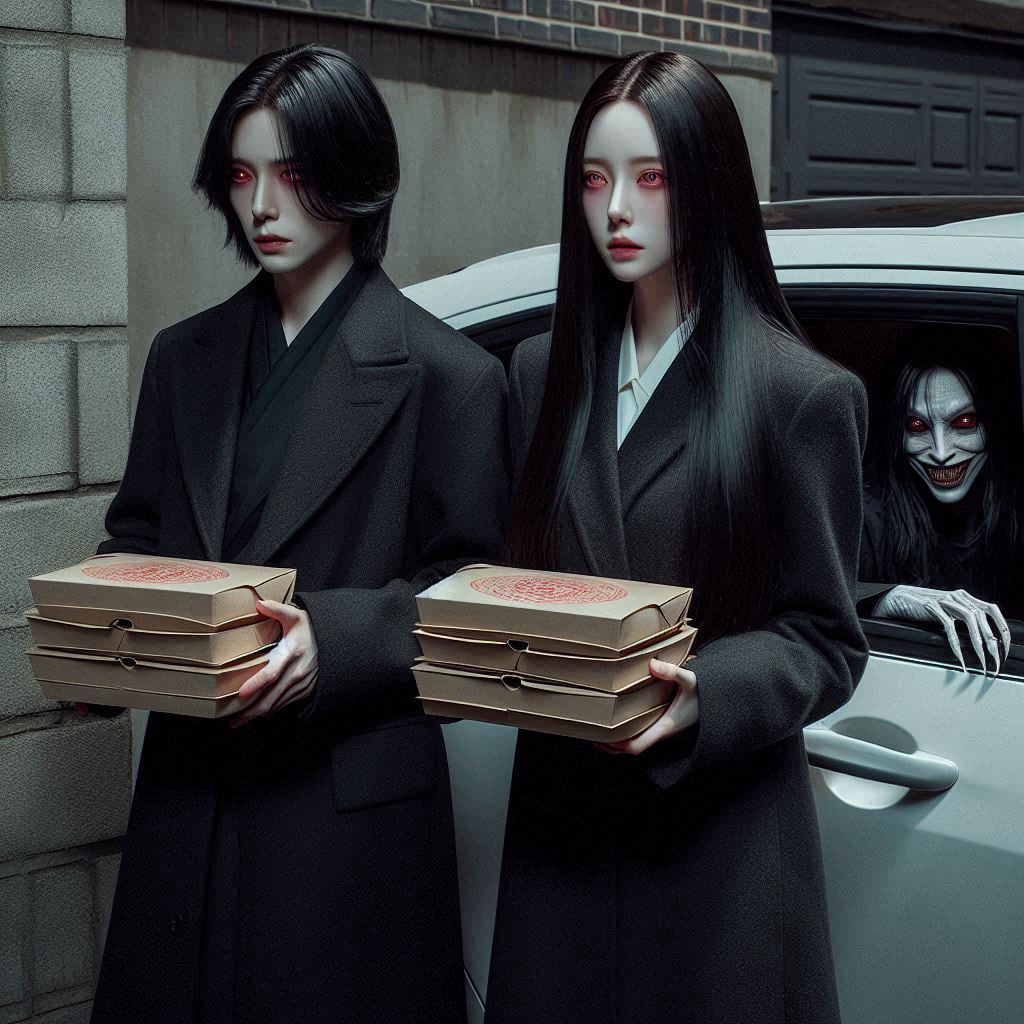
Modern depictions of Jeoseung-saja often show them as tall, shadowy figures with long arms and fingers. They may also be portrayed as skeletal figures with glowing eyes and sharp claws.
In both traditional and modern depictions, Jeoseung-saja are often depicted as menacing and eerie, with a solemn expression on their face.
Origins
The origins of Jeoseung-saja can be traced back to ancient Shamanistic beliefs in Korea. In traditional Korean shamanism, it was believed that the spirits of the dead needed guidance to find their way to the afterlife. The role of Jeoseung-saja was to guide these spirits on their journey and protect them from any evil spirits that may try to harm them.
In modern times, the belief in Jeoseung-saja has been incorporated into Buddhism and Confucianism in Korea. They are seen as guardians of the underworld and continue to play an important role in traditional funeral rituals.
Jeoseung-saja Vs Western Grim Reaper
Jeoseung-saja may seem like grim reapers at first glance, but their purpose goes beyond merely taking souls to their final destination. They represent a belief ingrained in Korean society – that good deeds will be rewarded while bad deeds will be punished even after death.
Jeoseung-saja (Korean Grim Reaper):
Role and Responsibilities:
Jeoseung-saja serves as a psychopomp, guiding departed souls from the mortal realm to the afterlife in Korean mythology.
Ensures a smooth transition for souls, assigning them their rightful place beyond.
Reflects deep-rooted beliefs and rituals surrounding death and the afterlife in Korean culture.
Appearance:
Traditionally dressed in a black hanbok (Korean attire from the Joseon era) with a traditional Korean hat called ‘Gat’ (갓).
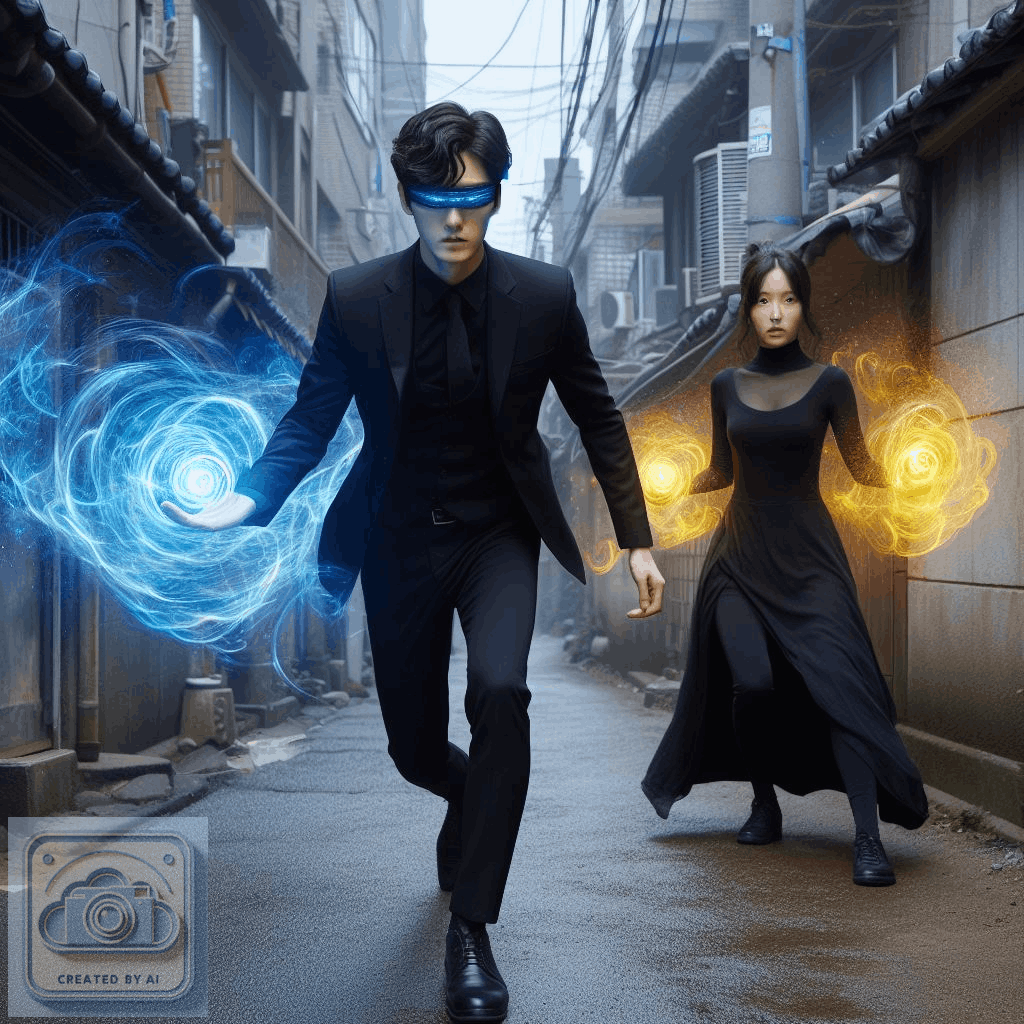
Modern portrayals often feature a long black coat and a brimmed hat.
Grim Reaper of the West (Western Grim Reaper):
Origin and Symbolism:
The Western Grim Reaper is a personification of death found in European folklore.
Often depicted as a skeletal figure in a black robe, carrying a scythe.
Symbolizes mortality, the passage of time, and the inevitability of death.
Cultural Variations:
The Grim Reaper varies across cultures, but its core role remains consistent: collecting souls at the end of life.
In Western traditions, the Grim Reaper is associated with the concept of a single, universal death figure.
Contemporary Depictions
In contemporary media, Jeoseung Saja (the Korean Grim Reaper) is portrayed in various intriguing ways, blending traditional folklore with modern interpretations. Here are some notable examples:
BANA, also known as illustrator Kim Soo-jin, puts a unique Korean spin on traditional tarot cards. In her deck, the intimidating figure of death is replaced by the Jeoseung Saja wearing a dark "gat" and "hanbok." The Devil card features the alluring "gumiho," a legendary nine-tailed fox known for its shape-shifting abilities. Another familiar Korean tale is depicted on the Moon card, telling the story of two siblings who cleverly outwitted a hungry tiger and became the sun and moon.
In both Korean literature and film, Jeoseung Saja is frequently depicted as cryptic and intriguing characters. Through these portrayals, the themes of destiny, atonement, and the spirit world are often explored. From being a mentor or protector to struggling with conflicting responsibilities, Jeoseung Saja's role varies in these narratives.
Webtoons, also known as online comics, often explore supernatural elements such as Jeoseung Saja. The Grim Reaper is often reimagined by artists, incorporating cultural nuances and individual perspectives. This character may interact with humans, grapple with existential inquiries, or confront moral complexities.
Jeoseung Saja, a beloved character, is featured prominently in both video games and animated series. Whether as a supporting NPC or a central figure, Jeoseung Saja adds depth to storylines and enhances the overall gaming and viewing experience.
In summary, Jeoseung Saja continues to captivate audiences through diverse media, bridging ancient beliefs with contemporary creativity.
Many Koreans still hold traditional rituals and ceremonies for the deceased, showing respect for these guides' role in leading loved ones to the afterlife.