Dang-gwi cha \ Angelica Tea
Article by Gil "hannaone"
© Copyright 2007-2024. All rights reserved.
Image by hannaone
당귀 차 Dang-gui cha | Dang-gwi cha
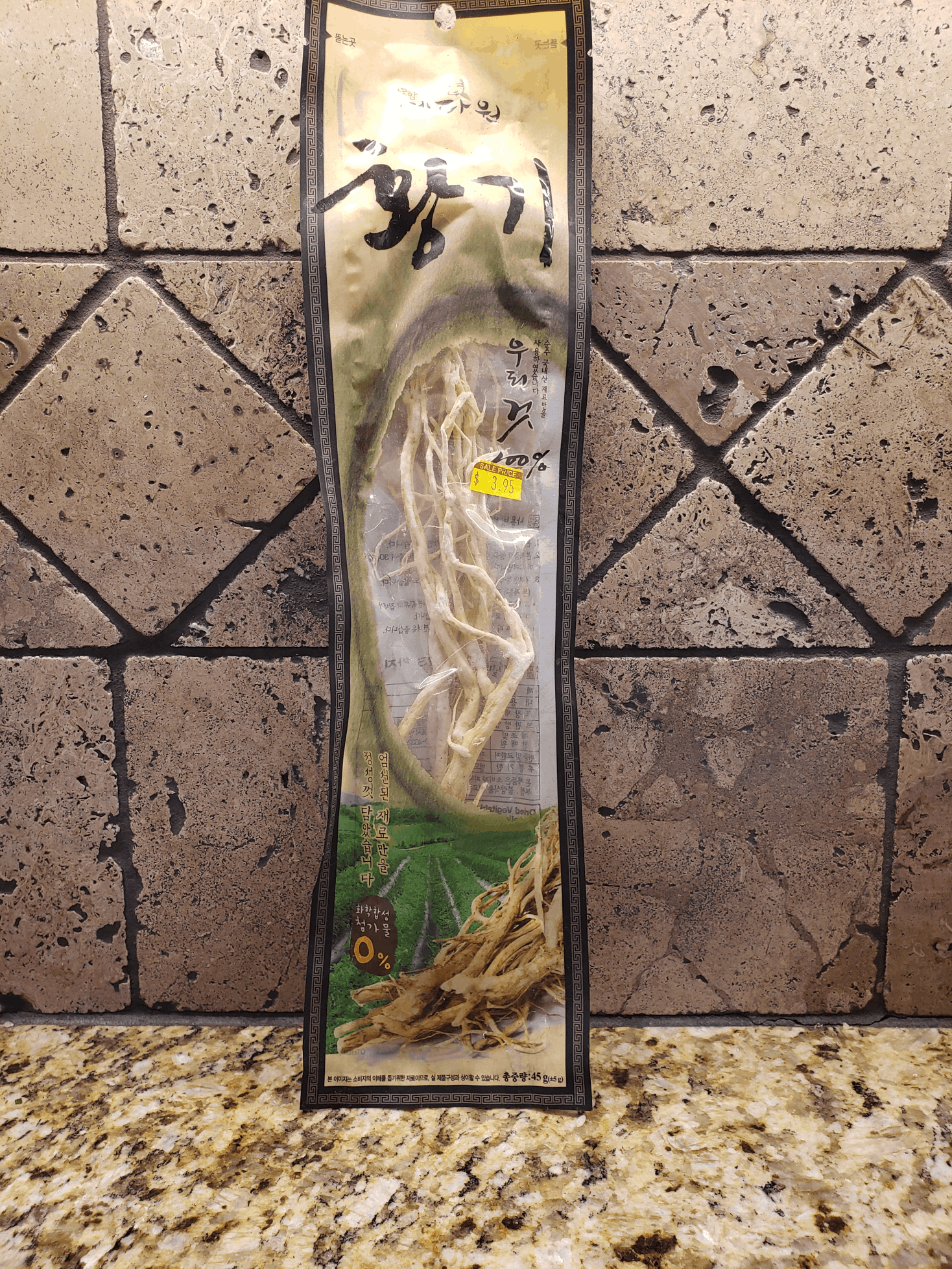
Dang-gwi (gui) cha is a traditional Korean tea made from the root of the plant known as Dang Gui, also referred to as Chinese Angelica Root, Female Ginseng, or by its scientific name, Radix Angelica Sinensis. This herb is indigenous to the high altitude and mountainous regions of China, Japan, and Korea.
The root of Dang Gui is often used in traditional Chinese medicine and is associated with blood nourishment and women’s reproductive health. It has been used for thousands of years to treat a variety of ailments, ranging from mild acne to cardiovascular issues. The root is said to have a very pungent taste that ranges from sweet to bitter, and some people suggest that it has a similar taste to celery.
In the context of Dang-gwi cha, the Angelica root is often used as a medicinal ingredient for treating a range of ailments including anemia, pain, infection, articular rheumatism, indigestion, excessive urination at night, decline in memory and thinking skills, rheumatoid arthritis (RA), and more.
There have been some side effects reported with Dang Gui, so it's important to consult a healthcare provider before starting any new herbal treatment.
Ingredients:
1/2 ounce Danggui (Korean Angelica) roots
18 ounces(liquid) Water
Instructions:
Wash the Danggui roots: Start by cleaning the roots thoroughly under running water.
Boil the roots: Place the washed Danggui roots in a pot with water.
Simmer: Bring the water to a boil, then reduce the heat to a simmer. Let it cook for about 20-30 minutes.
Strain: After simmering, strain the liquid to remove the Danggui roots. You can use a fine mesh strainer or a cloth.
Serve: Enjoy the warm and earthy flavor of Danggui-cha. You can drink it plain or sweeten it with honey if desired.