The Lowdown on Kimchi: Cabbage Kimchi, Radish Kimchi, Water Kimchi , and Much More
Article by Gil "hannaone"
© Copyright 2024. All rights reserved.
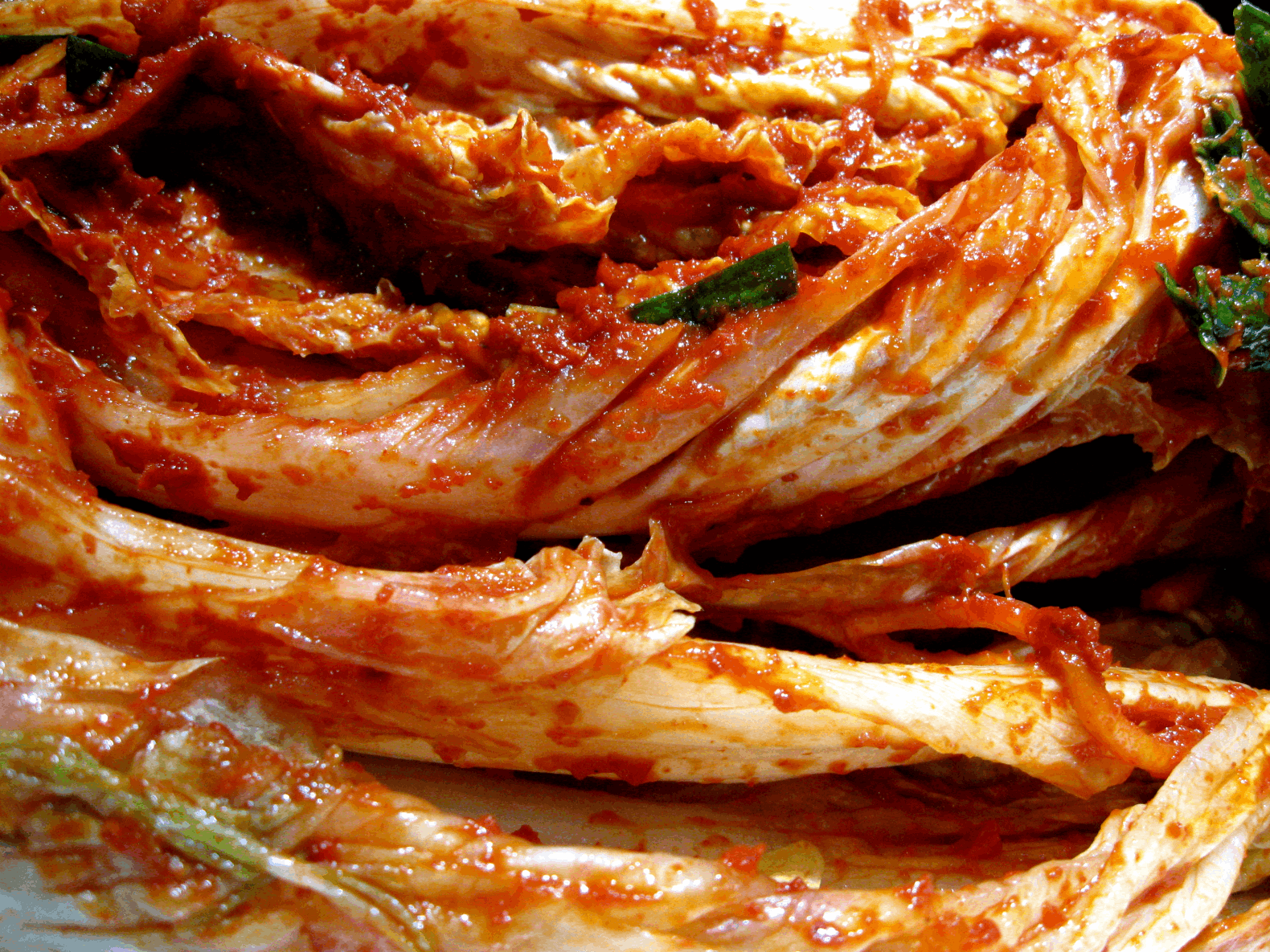
Image by hannaone: baechu kimchi
김치
Get ready to embark on a flavorful journey through the world of kimchi - Korea's beloved fermented dish that packs a punch! From its rich history to the diverse array of variations, we'll explore everything you need to know about this iconic culinary delight. So, grab your chopsticks and get ready to delve into the tangy, spicy, and utterly delicious universe of kimchi!
Kimchi: A Staple of Korean Cuisine
Kimchi isn't just a dish in Korea - it's a way of life. This spicy, fermented vegetable medley has been a staple in Korean cuisine for centuries, gracing tables at every mealtime. Its vibrant flavors and crunchy texture add an irresistible kick to any dish.
Whether enjoyed as a side dish or incorporated into soups, stews, or fried rice, kimchi is versatile and always packs a flavorful punch. The secret lies in the meticulous preparation process that involves salting and fermenting vegetables with a blend of spices like garlic, ginger, and chili pepper.
Beyond its culinary appeal, kimchi holds cultural significance as well. It symbolizes Korean heritage and tradition while also representing the resilience of the Korean people through times of hardship.
So next time you take a bite of tangy kimchi, remember that you're not just tasting food - you're experiencing a piece of Korean history on your plate.
The History of Kimchi
With a history dating back thousands of years, kimchi has deep cultural roots in Korean society. It was initially created as a method to preserve vegetables during the harsh winter months.
The earliest form of kimchi consisted solely of salted vegetables. It wasn’t spicy, nor was it made with cabbage. Interestingly, the first documented references to kimchi date back to 2,600-3,000 years ago!
The poet in the Chinese poetry book ShiKyung referred to kimchi as “Ji,” which was the term used before “Chimchae.” At that time, kimchi was white, brined, and seasoned with salt, and it wasn’t until later that chili powder was introduced, giving it the familiar spicy kick we know today.
Over time, kimchi became an essential part of Korean cuisine and culture, symbolizing Korean identity and tradition. It's often served at every meal and plays a central role in many Korean festivals and rituals.
Cabbage Kimchi: The Classic Kimchi Variation
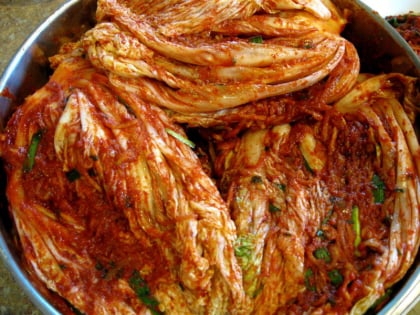
Cabbage kimchi, known as "baechu kimchi" in Korean, is the most popular and widely consumed type of kimchi. Made from salted and seasoned napa cabbage, this spicy kimchi variation is a staple in Korean households and restaurants.
The preparation of cabbage kimchi involves layering the leaves with the seasoning paste before fermenting. Its crunchy texture and bold, slightly sour flavor make it a versatile accompaniment that complements a wide range of savory dishes.
Radish Kimchi: A Refreshing and Crunchy Alternative
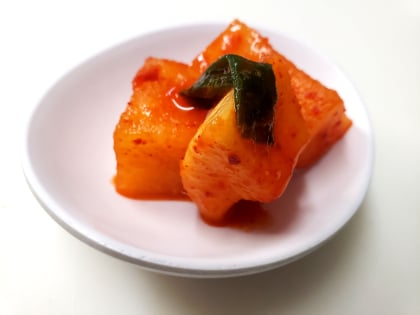
Radish Kimchi, also known as "kkakdugi," is a delightful variation of the traditional cabbage kimchi. With its crunchy texture and refreshing taste, it offers a unique twist on the classic dish.
Made with chunks of radish marinated in a spicy mixture of garlic, ginger, red pepper flakes, and fish sauce, this kimchi packs a flavorful punch that will leave your taste buds tingling.
The radish's natural crispness adds an extra element to the kimchi experience, providing a satisfying crunch with every bite. Its vibrant color and tangy flavor make it a popular choice for those looking to explore different types of kimchi beyond the usual cabbage version.
Whether enjoyed as a side dish or incorporated into various recipes like stews or fried rice dishes, radish kimchi brings versatility and excitement to any meal. Next time you're craving something new and exciting in Korean cuisine, give radish kimchi a try!
Water Kimchi: A Light and Watery Delight
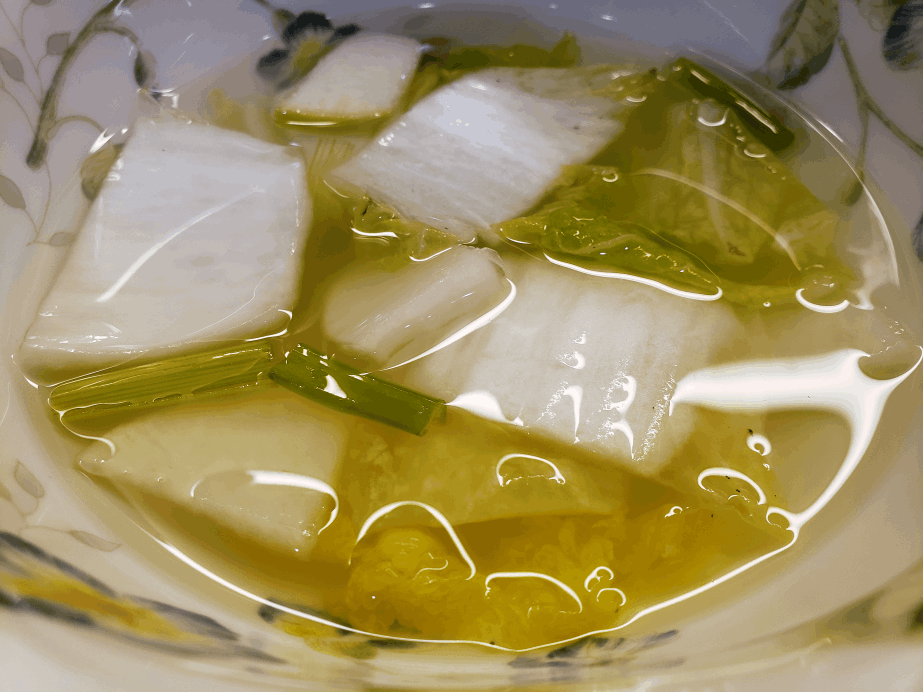
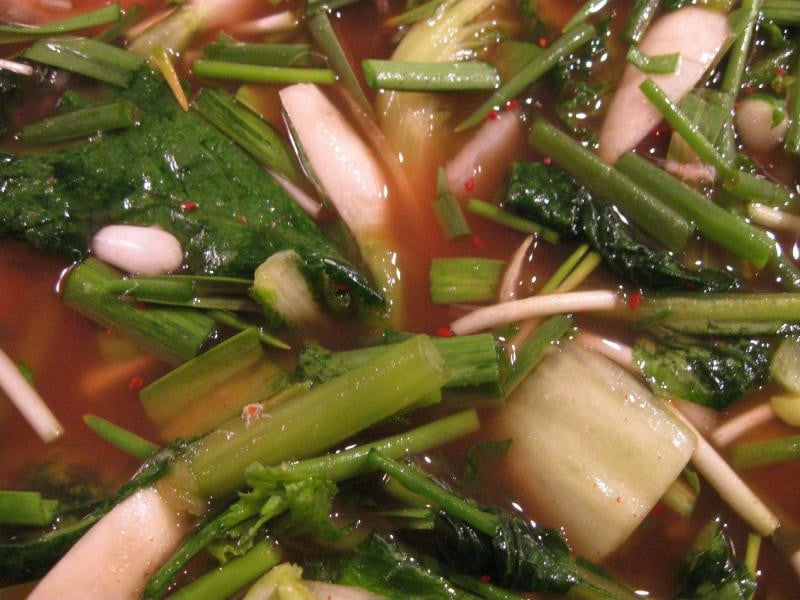
Are you looking for a lighter and more refreshing take on the classic kimchi? Look no further than Water Kimchi. This variation of kimchi is a delightful combination of crisp vegetables soaked in a tangy, slightly sweet brine.
Water kimchi, also known as mul kimchi, is perfect for those hot summer days when you crave something cool and hydrating. The watery base gives it a unique texture that sets it apart from traditional cabbage or radish kimchi.
This light and watery delight often includes ingredients like radishes, cucumbers, green onions, and even fruits like pears or apples. The subtle flavors blend together beautifully to create a harmonious balance of taste and texture.
Yeolmu mul kimchi, also known as young summer radish water kimchi, is a popular variation of this dish that is made with young summer radishes. The radishes are cut into thin slices and mixed with a brine made of fish sauce, water, garlic, ginger, and red pepper flakes.
Whether enjoyed as a side dish or added to soups or stews for an extra kick of flavor, water kimchi offers a versatile twist on the beloved Korean staple. Give this refreshing variation a try and experience the delicious complexity of water kimchi for yourself.
Dongchimi is another type of "water Kimchi" that is more sour and often served during winter in Korea.
Oi Kimchi: Crisp, Cool, Refreshing Fire
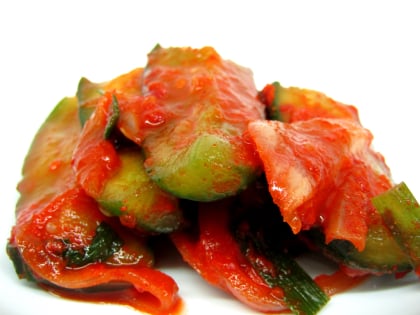
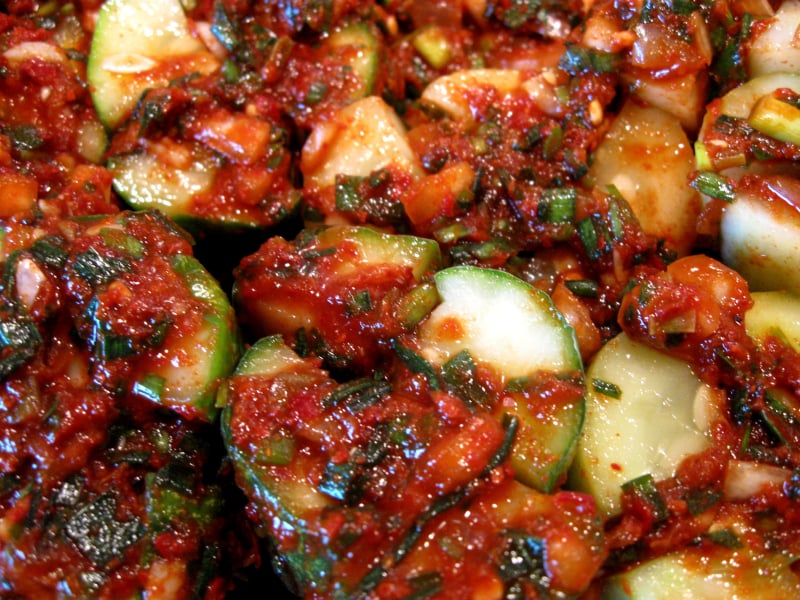
Oi Kimchi, also known as Cucumber Kimchi, is a popular variation that offers a crisp and cool twist to the traditional fiery flavors of kimchi. The refreshing crunch of cucumbers combined with the spicy kick of kimchi paste creates a unique culinary experience that will tantalize your taste buds.
Unlike traditional cabbage kimchi, Oi Kimchi is lighter in texture and flavor, making it an ideal side dish for hot summer days or as a palate cleanser between bites of heavier dishes. The balance between the coolness of cucumber and the heat from red pepper flakes creates a harmonious blend of flavors that is both satisfying and invigorating.
With just a few simple ingredients like cucumbers, Korean radish, garlic, ginger, fish sauce, sugar, salt, and gochugaru (red chili powder), you can easily make this delicious Oi Kimchi at home. Whether enjoyed on its own or paired with grilled meats or rice dishes, Oi Kimchi is sure to add a burst of freshness to any meal.
Other Varieties of Kimchi Around Korea
When it comes to kimchi, the options are endless. In Korea, you can find a wide array of kimchi varieties that go beyond the traditional cabbage and radish versions.
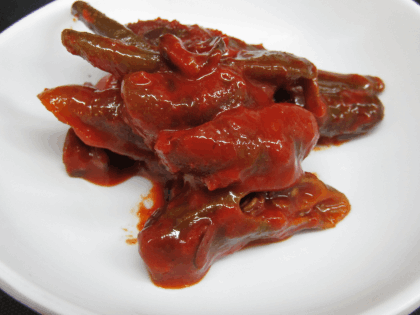
One popular variation is Gat Kimchi, which is made from mustard leaves. This kimchi has a spicy, tangy flavor and is often served alongside grilled meats.
Another popular type of kimchi is Chonggak Kimchi, which uses small, young radishes instead of the more common large radishes. This kimchi has a crisp texture and a slightly sweet and sour taste.
One unique variety is Kongnamul Kimchi, which uses soybean sprouts instead of cabbage or radish. The sprouts are marinated in chili paste for a crunchy and flavorful dish.
There are also regional variations of kimchi throughout Korea. In the northern regions of the country, kimchi is often made with less salt and more garlic for a stronger flavor. In Jeju Island, famous for its seafood, kimchi is often made with fish sauce or dried seafood for a more savory taste.
No matter the variation, one thing remains consistent – kimchi is an essential part of Korean cuisine and culture. So next time you sit down to enjoy some deliciously spicy and flavorful kimchi, remember the rich history and tradition behind this beloved dish.
Health Benefits of Kimchi
If you're looking to add a punch of flavor and nutrition to your meals, look no further than kimchi. This fermented dish is not only delicious but also packed with health benefits. Kimchi is rich in probiotics, which are beneficial for gut health and digestion. It can help improve your immune system and promote overall well-being.
Additionally, kimchi is low in calories but high in fiber, making it a great option for those looking to maintain a healthy weight. The combination of ingredients like cabbage, radish, garlic, ginger, and chili peppers provides a wide array of vitamins and minerals essential for optimal health.
Moreover, the fermentation process involved in making kimchi enhances its nutrient content even further. So next time you're craving something tangy and spicy, reach for a serving of kimchi to give your body an extra boost of goodness!
Making Cabbage Kimchi at Home
Making kimchi at home is a rewarding experience that allows you to customize the flavors to suit your preferences. To start, gather fresh ingredients like napa cabbage, radishes, green onions, and Korean chili powder known as gochugaru.
Begin by soaking the cabbage in a brine solution to soften it before rinsing and draining. Next, mix the chili paste with garlic, ginger, fish sauce or soy sauce for umami depth.
Layer each piece of cabbage with the spicy paste mixture until fully coated. Pack tightly into jars and let it ferment at room temperature for a few days before transferring to the fridge.
Experiment with different vegetables and seasonings to create unique variations of this iconic dish in your own kitchen!
Using Kimchi in Recipes
If you're looking to add a punch of flavor to your dishes, look no further than kimchi. This versatile Korean ingredient can be used in various recipes to elevate the taste and bring a tangy kick.
One simple way to incorporate kimchi into your meals is by adding it to fried rice. The spicy and slightly sour notes of kimchi pair perfectly with the savory flavors of fried rice, creating a delicious fusion dish.
Another creative way to use kimchi is in grilled cheese sandwiches. The tanginess of the fermented cabbage adds an extra layer of complexity to the gooey melted cheese, making for a mouthwatering combination.
For those who enjoy spicy foods, kimchi tacos are a must-try. Simply top soft tortillas with crispy marinated pork or tofu, fresh vegetables, and a generous dollop of kimchi for a fiery and flavorful taco experience.
Experimenting with kimchi in different recipes can open up a world of culinary possibilities. So go ahead, get creative in the kitchen and let this Korean staple spice up your meals!
So Give It a Try:
So give kimchi a try today and experience the array of flavors and health benefits it has to offer. Whether you opt for the classic cabbage kimchi, the crunchy radish kimchi, or any other variation, you're sure to be delighted by this staple of Korean cuisine. Embrace the tradition of making your own kimchi at home or incorporate it into your favorite recipes for a unique twist. With its tangy, spicy, and umami-packed profile, kimchi is not just a dish – it's an adventure for your taste buds. Let Kimchi add some excitement to your culinary repertoire!